COMPiLE Lab · University of Edinburgh
Mathematical and computational aspects of machine learning and network science
Our group works at the intersection between machine learning and applied mathematics. We use tools from numerical analysis, matrix theory, dynamical systems and network science to make AI more efficient, easier to explain, and more useful for science and industry.
Modern AI models are expensive to train, fine-tune and run, and their demands on energy, memory and hardware keep growing.
We design models and training algorithms that work directly with compressed, low-rank representations, cutting the cost of training and inference with little or no loss in accuracy.
Neural networks often behave as black boxes, and many of the phenomena behind their success are still far from understood.
We analyse them with mathematics (infinite-width and infinite-depth limits, dynamical systems, spectral theory) and use what we learn to design models that are more reliable.
AI can change how discoveries are made, from automated biology labs to the control of fusion reactors and the search for new materials. In industry it can take on forecasting, logistics, analysis and recommendation.
We build physics-inspired and foundation models for scientific simulation and forecasting, and work with partners in science and industry to put them to use.
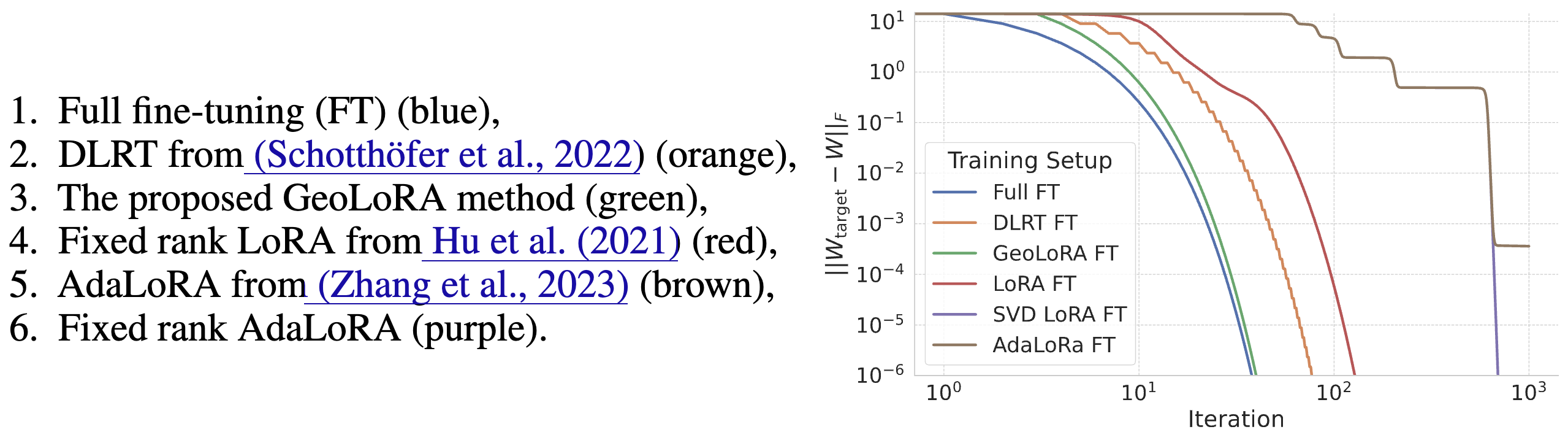 ICLR 2025
GeoLoRA: Geometric integration for parameter efficient fine-tuning
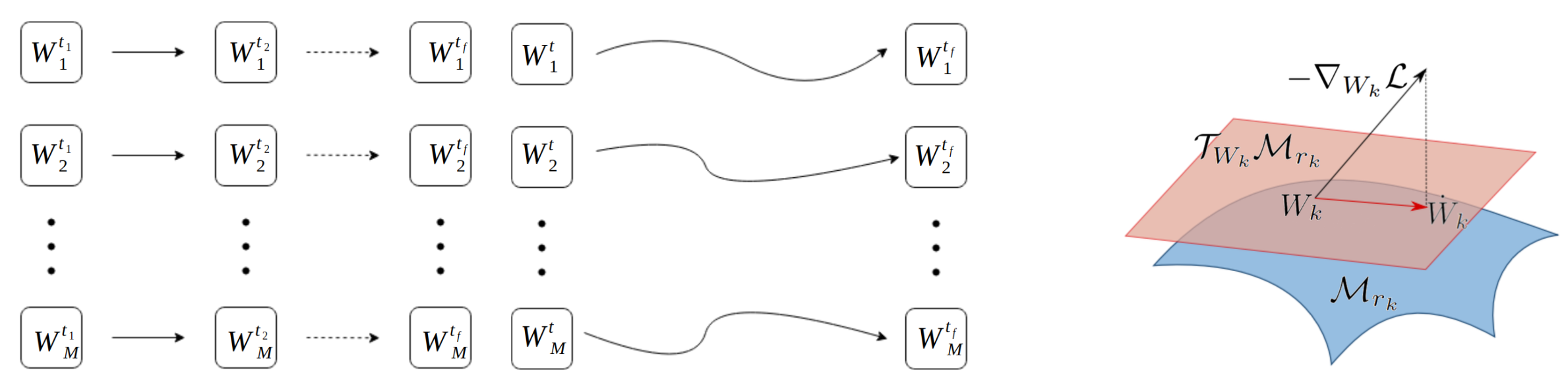 NeurIPS 2022
Low-rank lottery tickets: finding efficient low-rank neural networks via matrix differential equations
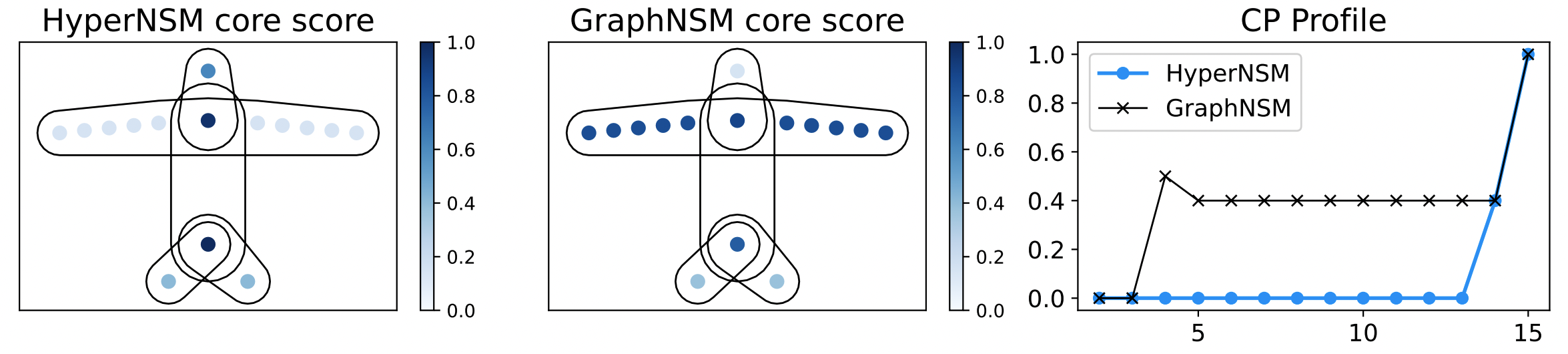 SIAM Journal on Mathematics of Data Science, 2023
Core-periphery detection in hypergraphs
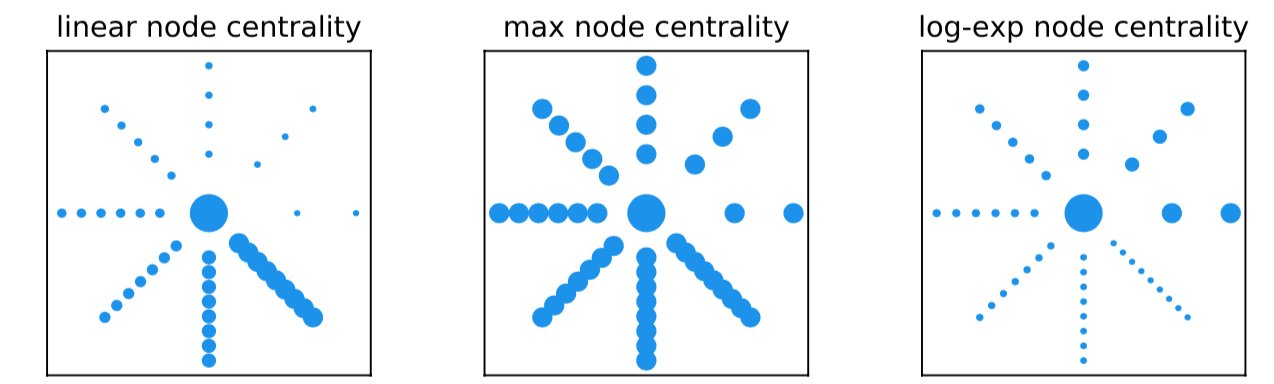 Communications Physics, 2021
Node and Edge Eigenvector Centrality for Hypergraphs
Interested in joining? See open opportunities →